Regular laboratory tests are essential for maintaining good health and early detection of potential health issues. They provide valuable insights into your body's functioning, help monitor existing conditions, and guide healthcare decisions. By taking tests, you can identify risk factors, track the effectiveness of treatments, and make informed lifestyle choices to promote overall well-being.

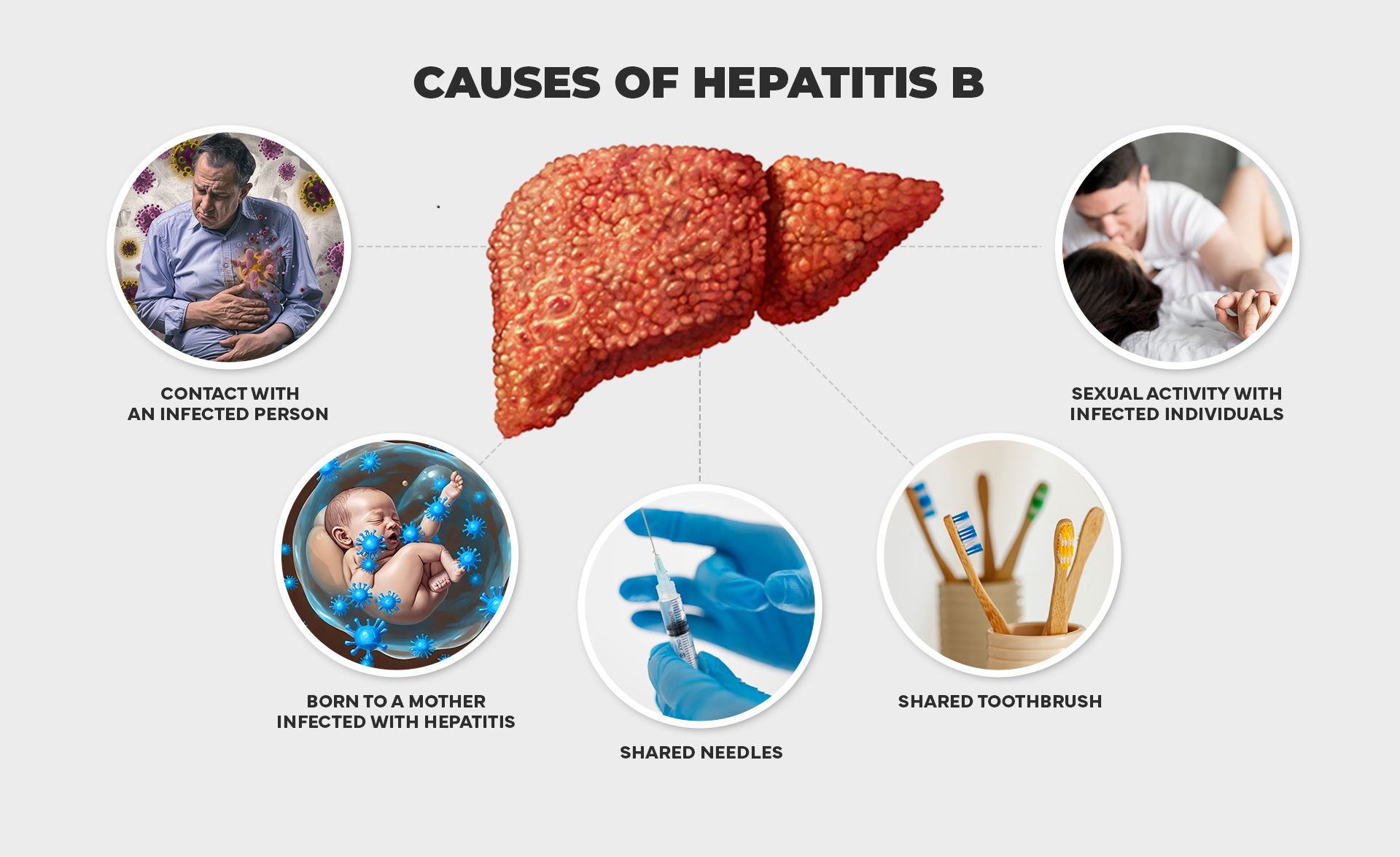
Hepatitis B is an infection of the liver caused by the hepatitis B virus. The infection can be acute (short and severe) or chronic (long term). Hepatitis B can cause a chronic infection and puts people at high risk of death from cirrhosis and liver cancer. It can spread through contact with infected body fluids like blood, saliva, vaginal fluids and semen. It can also be passed from a mother to her baby.Hepatitis B can be prevented with a safe and effective vaccine. The vaccine is usually given soon after birth with boosters a few weeks later. It offers nearly 100% protection against the virus.
In highly endemic areas, hepatitis B is most commonly spread from mother to child at birth (perinatal transmission).
Hepatitis B is also spread by needlestick injury, tattooing, piercing and exposure to infected blood and body fluids, such as saliva and menstrual, vaginal and seminal fluids.
Transmission of the virus may also occur through the sharing or reuse of contaminated needles and syringes or sharp objects either in health care settings, in the community or among persons who inject drugs.
Sexual transmission is more prevalent in unvaccinated persons with multiple sexual partners.
Learn MoreMost people do not experience any symptoms when newly infected.
Some people have acute illness with symptoms that last several weeks:
When severe, acute hepatitis can lead to liver failure, which can lead to death.
Learn More
To reduce the risk of getting or spreading hepatitis B:
It is not possible on clinical grounds to differentiate hepatitis B from hepatitis caused by other viral agents; hence laboratory confirmation of the diagnosis is essential.
Several blood tests are available to diagnose and monitor people with hepatitis B. Some laboratory tests can be used to distinguish acute and chronic infections, whilst other can assess and monitor the severity of liver disease.
Physical examination, ultrasound and elastography can also be performed to assess degree of liver fibrosis and scarring and monitor progression of liver disease.
WHO recommends that all blood donations be tested for hepatitis B to ensure blood safety and avoid accidental transmission.
Care for people with acute hepatitis B should focus on managing sympoms. They should eat a healthy diet and drink plenty of liquids to prevent dehydration from vomiting and diarrhoea.
Chronic hepatitis B infection can be treated with oral medicines, including tenofovir or entecavir.
Treatment can
Most people who start hepatitis B treatment must continue it for life.
Monday - Friday: 9:00 AM - 5:00 PM
Saturday: 10:00 AM - 2:00 PM
Sunday: Closed
Call us on:
Phone: +49 162 4237176
WhatsApp: +49 162 4237176